

As a seasoned supplier of cylindrical paper boxes, I've witnessed firsthand the diverse needs and challenges that come with storing these versatile packaging solutions. In this blog, I'll delve into the essential storage requirements for cylindrical paper boxes, offering insights and best practices to ensure their quality and longevity.
Understanding the Material Composition
Cylindrical paper boxes are typically made from various types of paperboard, including kraft paper, white cardboard, and specialty papers. Each material has its own unique characteristics and storage requirements. For instance, kraft paper is known for its strength and durability, making it suitable for heavy-duty applications. On the other hand, white cardboard offers a smooth surface for printing and a more elegant appearance, often used in high-end packaging.
Environmental Conditions
One of the most critical factors in storing cylindrical paper boxes is controlling the environmental conditions. Paper is a hygroscopic material, meaning it can absorb and release moisture depending on the surrounding humidity. Excessive moisture can cause the paper to warp, weaken, or even develop mold, while low humidity can make the paper brittle and prone to cracking.
- Temperature: The ideal temperature range for storing cylindrical paper boxes is between 18°C and 22°C (64°F and 72°F). Fluctuations in temperature can cause the paper to expand and contract, leading to dimensional changes and potential damage. Avoid storing the boxes in areas exposed to direct sunlight or near heat sources, such as radiators or heating vents.
- Humidity: Maintaining a relative humidity level between 40% and 60% is crucial for preserving the integrity of the paper. You can use a hygrometer to monitor the humidity in the storage area and take appropriate measures to adjust it if necessary. In areas with high humidity, consider using dehumidifiers to reduce moisture levels, while in dry environments, humidifiers can help add moisture to the air.
- Ventilation: Proper ventilation is essential to prevent the buildup of stale air and moisture. Ensure that the storage area has adequate airflow to allow for the exchange of fresh air. Avoid storing the boxes in sealed containers or areas with poor ventilation, as this can trap moisture and increase the risk of mold growth.
Storage Space and Organization
The way you store your cylindrical paper boxes can also have a significant impact on their quality and accessibility. Here are some tips for optimizing your storage space and keeping your boxes organized:
- Stacking: When stacking cylindrical paper boxes, it's important to ensure that they are stacked evenly and securely to prevent them from toppling over. Use pallets or shelves to support the weight of the boxes and distribute the load evenly. Avoid stacking the boxes too high, as this can increase the risk of damage to the bottom boxes.
- Separation: To prevent the boxes from rubbing against each other and causing damage, it's a good idea to separate them using dividers or spacers. This can also help to keep the boxes organized and make it easier to access them when needed.
- Labeling: Clearly label each box with its contents, size, and quantity to make it easier to identify and locate the boxes you need. You can use labels, tags, or barcodes to label the boxes, depending on your preference and the size of your inventory.
- Inventory Management: Implement an inventory management system to keep track of your stock levels and ensure that you have enough boxes on hand to meet your production needs. Regularly review your inventory to identify any slow-moving or obsolete items and take appropriate action to dispose of them.
Protection from Physical Damage
In addition to environmental factors, cylindrical paper boxes are also susceptible to physical damage, such as scratches, dents, and tears. Here are some ways to protect your boxes from damage during storage:
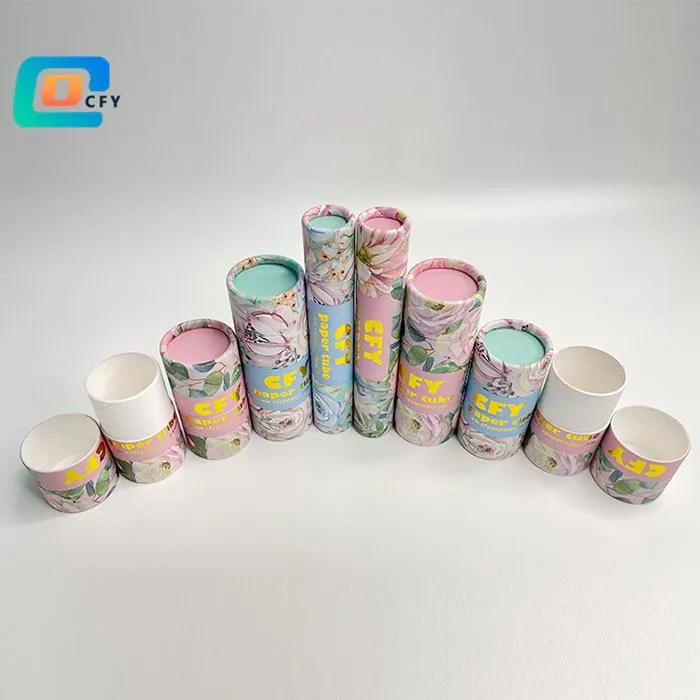

- Padding: Use padding materials, such as bubble wrap, foam sheets, or corrugated cardboard, to protect the boxes from impact and abrasion. Wrap the boxes individually or place them in protective containers to prevent them from coming into contact with sharp objects or rough surfaces.
- Handling: When handling the boxes, be careful not to drop or mishandle them. Use appropriate lifting techniques and equipment, such as forklifts or pallet jacks, to move the boxes safely. Avoid dragging the boxes across the floor, as this can cause scratches and damage to the bottom of the boxes.
- Storage Containers: Consider using storage containers, such as plastic bins or cardboard boxes, to store your cylindrical paper boxes. These containers can provide an additional layer of protection and help to keep the boxes organized. Make sure the containers are clean, dry, and free of any debris before storing the boxes in them.
Special Considerations for Printed Boxes
If your cylindrical paper boxes are printed with graphics or text, there are some additional storage requirements to keep in mind:
- Ink Drying: Allow the printed boxes to dry completely before storing them to prevent the ink from smudging or rubbing off. Follow the manufacturer's instructions for drying times and conditions.
- UV Protection: Protect the printed boxes from exposure to ultraviolet (UV) light, as this can cause the colors to fade and the ink to deteriorate over time. Store the boxes in a dark or shaded area, or use UV-resistant packaging materials to protect them.
- Lamination: Consider laminating the printed boxes to provide an additional layer of protection against scratches, moisture, and UV light. Lamination can also enhance the durability and appearance of the boxes.
Conclusion
Proper storage is essential for maintaining the quality and integrity of your cylindrical paper boxes. By following the guidelines outlined in this blog, you can ensure that your boxes are stored in optimal conditions and protected from damage. Remember to regularly monitor the environmental conditions in your storage area and take appropriate measures to adjust them if necessary. If you have any questions or need further advice on storing your cylindrical paper boxes, please don't hesitate to contact us. We're here to help you find the best storage solutions for your specific needs.
If you're interested in purchasing high-quality cylindrical paper boxes for your packaging needs, we invite you to explore our product range. We offer a wide variety of options, including Paper Tube Lip Balm, White Cardboard Tube Packaging, and Hot Stamping Paper Tube Packaging. Our team of experts can work with you to customize the boxes to meet your specific requirements and ensure that they are delivered on time and within budget. Contact us today to discuss your packaging needs and get a free quote.
References
- "Paperboard Packaging: A Guide to Storage and Handling." Paperboard Packaging Council.
- "Best Practices for Storing Paper Products." International Paper.
- "Environmental Conditions for Paper Storage." Library of Congress.