

When it comes to the world of jigsaw puzzles, one of the crucial aspects that often gets overlooked is the safe transportation of puzzle pieces. As a jigsaw puzzle supplier, I understand the significance of ensuring that these delicate pieces reach their destination in perfect condition. In this blog post, I will share some valuable insights and practical tips on how to transport jigsaw puzzle pieces safely.
Understanding the Challenges
Jigsaw puzzle pieces are small, thin, and easily damaged. During transportation, they are vulnerable to various risks such as breakage, bending, and loss. Factors like rough handling, vibrations, and improper packaging can all contribute to these issues. Therefore, it is essential to take appropriate measures to protect the puzzle pieces throughout the shipping process.
Choosing the Right Packaging Materials
The first step in safe transportation is selecting the right packaging materials. Here are some options that I recommend:
1. Puzzle Boxes
The original puzzle box is designed to hold the pieces securely. However, if you are shipping multiple puzzles or need to reinforce the protection, you can use additional layers of packaging. For example, you can place the puzzle box inside a sturdy cardboard box with cushioning materials such as bubble wrap or foam peanuts.
2. Plastic Bags
Sealable plastic bags are a great way to keep the puzzle pieces organized and protected. You can separate the pieces into smaller bags based on their size or color, which makes it easier to find and assemble the puzzle later. Make sure to remove as much air as possible from the bags before sealing them to prevent the pieces from shifting.
3. Paper Tubes
Jigsaw Puzzle with Paper Tube Package are an excellent option for transporting puzzles, especially larger ones. The tube provides a cylindrical shape that helps to prevent the pieces from bending or breaking. You can roll the puzzle pieces tightly and place them inside the tube, then seal the ends with tape or caps.
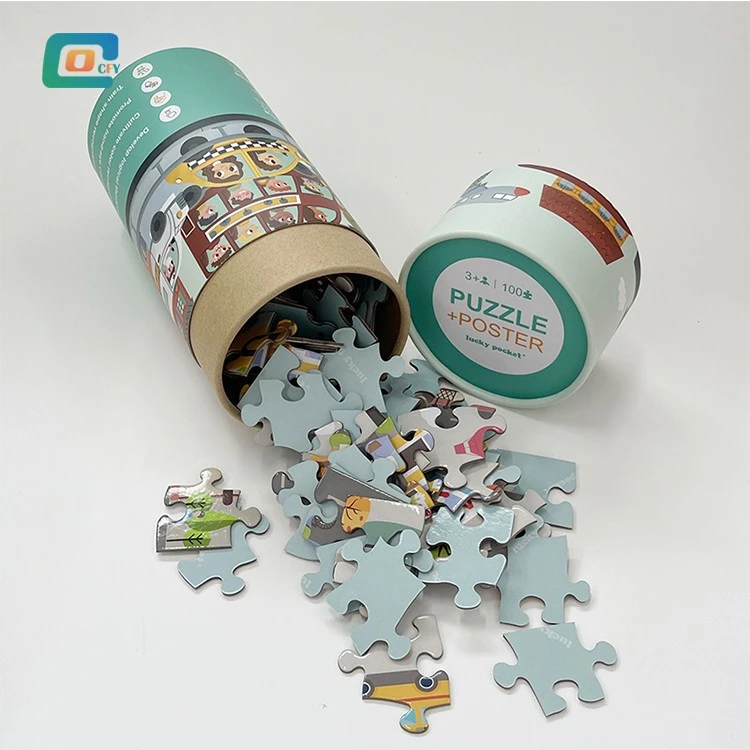

4. Customized Packaging
For high - end or large - scale jigsaw puzzles, customized packaging can offer the best protection. You can work with a packaging manufacturer to design a box or container that is specifically tailored to the size and shape of the puzzle. This ensures a snug fit and minimizes the risk of damage during transportation.
Preparing the Puzzle Pieces for Shipping
Before packaging the puzzle pieces, it is important to prepare them properly. Here are some steps to follow:
1. Sort and Organize
Sort the puzzle pieces by size, color, or edge pieces. This not only makes it easier to package them but also helps the recipient to start assembling the puzzle more quickly. You can use small containers or trays to keep the sorted pieces organized.
2. Clean the Pieces
Make sure the puzzle pieces are clean and free of dust or debris. You can gently wipe them with a soft, dry cloth to remove any dirt. This not only improves the appearance of the puzzle but also prevents any particles from getting stuck between the pieces during transportation.
3. Secure Loose Pieces
If there are any loose or detached pieces, use a small amount of glue or tape to secure them temporarily. This prevents them from getting lost or damaged during shipping. However, be careful not to use too much glue, as it may leave a residue on the pieces.
Packaging the Puzzle Pieces
Once the puzzle pieces are prepared, it's time to package them. Here are some guidelines to ensure proper packaging:
1. Layer the Cushioning
Place a layer of cushioning material such as bubble wrap or foam peanuts at the bottom of the shipping box. This provides a soft surface for the puzzle pieces and helps to absorb any shocks during transportation.
2. Place the Puzzle Pieces
Carefully place the sorted and organized puzzle pieces inside the box. If you are using plastic bags, arrange them neatly in the box. Make sure there is enough space between the pieces to prevent them from rubbing against each other.
3. Add More Cushioning
Cover the puzzle pieces with another layer of cushioning material. This helps to protect the pieces from the top and sides of the box. You can also place additional cushioning around the edges of the box to provide extra protection.
4. Seal the Box
Seal the shipping box securely with strong tape. Make sure all the edges and seams are well - sealed to prevent the box from opening during transportation. You can also reinforce the corners of the box with additional tape for added strength.
Labeling the Package
Proper labeling is essential for safe and efficient transportation. Here are some important labels to include:
1. Address Labels
Clearly print the recipient's address and your return address on the package. Make sure the addresses are legible and include the correct postal codes.
2. Fragile Label
Attach a "Fragile" label to the package to indicate that the contents are delicate and should be handled with care. This alerts the shipping carrier to take extra precautions when handling the package.
3. Puzzle Details
You can also include some details about the puzzle on the label, such as the number of pieces and the theme. This helps the recipient to identify the puzzle easily.
Choosing a Reliable Shipping Carrier
Selecting a reliable shipping carrier is crucial for the safe transportation of jigsaw puzzle pieces. Here are some factors to consider:
1. Reputation
Choose a shipping carrier with a good reputation for handling fragile items. You can read online reviews and customer testimonials to get an idea of their service quality.
2. Insurance
Consider purchasing shipping insurance to protect the value of the puzzle in case of damage or loss during transportation. Most shipping carriers offer insurance options at an additional cost.
3. Tracking
Opt for a shipping service that provides tracking information. This allows you to monitor the progress of the package and ensure that it arrives at its destination on time.
Handling Returns and Exchanges
In some cases, the recipient may need to return or exchange the puzzle. Here are some tips on how to handle these situations:
1. Clear Return Policy
Have a clear and transparent return policy in place. Make sure the customer understands the terms and conditions for returns and exchanges before making a purchase.
2. Proper Packaging for Returns
Provide instructions on how to package the puzzle pieces for return. Encourage the customer to use the same packaging materials and methods that were used for shipping to ensure the pieces are protected during the return journey.
3. Inspection and Refund
Once the returned puzzle is received, inspect it carefully to ensure that the pieces are in good condition. If everything is in order, process the refund or exchange promptly.
Conclusion
Transporting jigsaw puzzle pieces safely requires careful planning and attention to detail. By choosing the right packaging materials, preparing the pieces properly, and selecting a reliable shipping carrier, you can minimize the risk of damage and ensure that the puzzles reach their destination in perfect condition.
As a jigsaw puzzle supplier, I am committed to providing high - quality products and ensuring a smooth shipping experience for my customers. If you are interested in purchasing our 50 100 Piece Jigsaw Puzzles or Children Jigsaw Puzzles, please feel free to contact me for more information and to discuss your procurement needs. I look forward to working with you!
References
- Packaging World. "Best Practices for Packaging Fragile Items."
- Shipping Industry Reports. "Selecting the Right Shipping Carrier for Fragile Goods."
- Puzzle Enthusiast Magazine. "Tips for Transporting Jigsaw Puzzles."