

Hey there! I'm a supplier of Coffee Tube Packaging, and I've been thinking a lot about how we can make our packaging more sustainable. In today's world, being eco - friendly isn't just a trend; it's a necessity. So, let's dive into some ways we can make our coffee tube packaging better for the planet.
1. Choose Sustainable Materials
The first step in creating sustainable coffee tube packaging is to pick the right materials. Instead of using traditional plastic or non - recyclable materials, we should focus on options like paperboard. Paperboard is a great choice because it's made from wood pulp, which is a renewable resource. When sourced from well - managed forests, the environmental impact can be minimized.
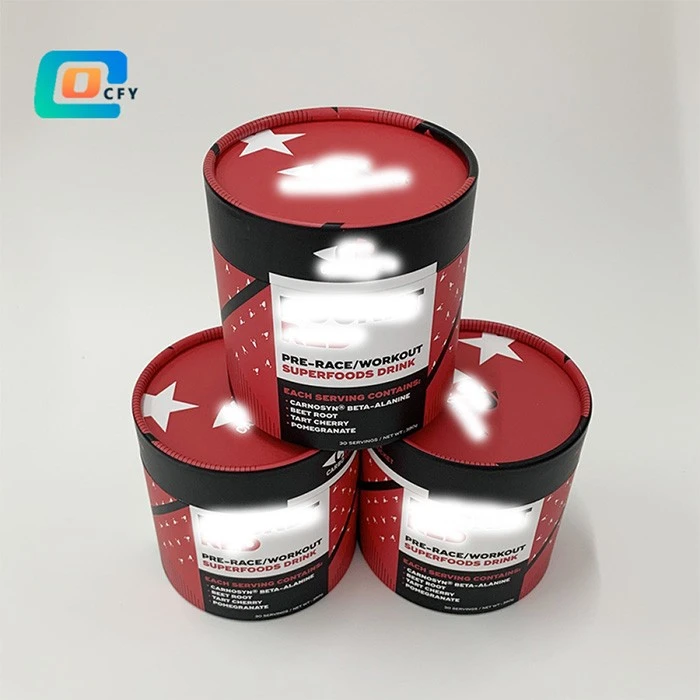
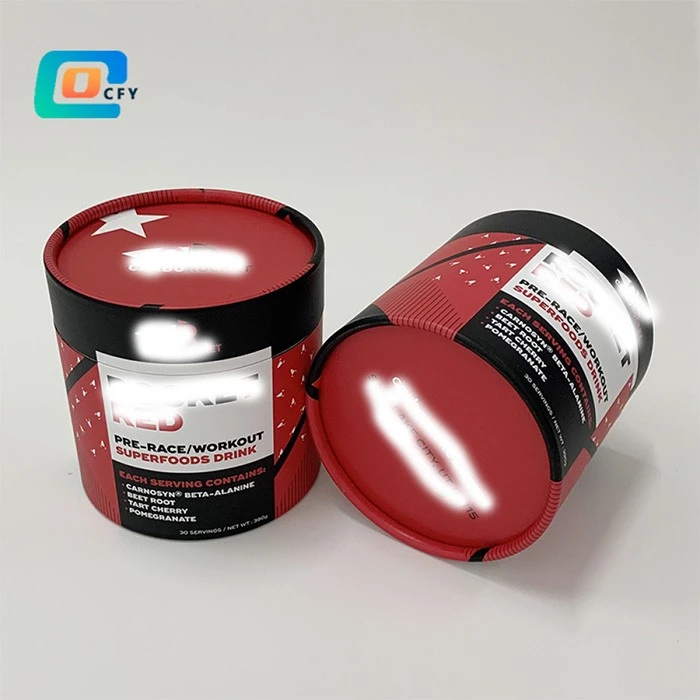
Our Coffee Tube Packaging can be made from high - quality paperboard that's both sturdy and recyclable. This means that after the coffee is consumed, the packaging can be recycled into new paper products. Another option is to use biodegradable plastics, which break down naturally over time. These plastics are made from plant - based materials like corn starch and can significantly reduce the amount of plastic waste in landfills.
2. Reduce Packaging Size and Weight
Another important aspect of sustainable packaging is to reduce its size and weight. Over - packaging is a common problem in the food industry, and coffee is no exception. By optimizing the design of our coffee tube packaging, we can use less material without compromising the product's protection.
A smaller and lighter package not only uses fewer resources during production but also reduces transportation emissions. When we ship our products, less weight means less fuel is needed, which is better for the environment. We can work with designers to create sleek and compact coffee tube designs that still maintain the brand's aesthetic appeal.
3. Improve Recycling Rates
Making our coffee tube packaging recyclable is one thing, but ensuring that consumers actually recycle it is another. We need to educate our customers about the importance of recycling and make it as easy as possible for them to do so.
One way to do this is by clearly labeling our packaging with recycling instructions. We can also partner with local recycling programs to ensure that our coffee tube packaging is accepted in their facilities. Additionally, we can offer incentives for customers to recycle, such as discounts on future purchases or loyalty points.
4. Use Renewable Energy in Production
As a Coffee Tube Packaging supplier, we have a responsibility to reduce our carbon footprint during the production process. One way to do this is by using renewable energy sources like solar, wind, or hydroelectric power.
Investing in renewable energy can be a significant upfront cost, but it pays off in the long run. Not only does it reduce our environmental impact, but it also helps us save on energy costs over time. We can work with energy providers to transition to renewable energy sources and gradually phase out our reliance on fossil fuels.
5. Encourage Reuse
In addition to recycling, we should also encourage customers to reuse our coffee tube packaging. There are many creative ways that consumers can repurpose our coffee tubes, such as using them as pencil holders, storage containers for small items, or even as DIY craft projects.
We can provide ideas and inspiration on our website or social media channels to encourage customers to get creative with our packaging. By promoting reuse, we can extend the lifespan of our coffee tube packaging and reduce the amount of waste that ends up in landfills.
6. Partner with Sustainable Suppliers
Our commitment to sustainability doesn't stop at our own production processes. We also need to ensure that our suppliers share our values. By partnering with sustainable suppliers, we can source high - quality materials that are produced in an environmentally friendly way.
For example, we can work with suppliers who use sustainable forestry practices to source their paperboard. We can also look for suppliers who have a low carbon footprint in their production processes. By working together, we can create a more sustainable supply chain for our coffee tube packaging.
7. Implement Life - Cycle Assessment
A life - cycle assessment (LCA) is a valuable tool for evaluating the environmental impact of our coffee tube packaging from cradle to grave. This assessment takes into account all stages of the packaging's life, including raw material extraction, production, transportation, use, and disposal.
By conducting an LCA, we can identify areas where we can make improvements. For example, we might find that a particular material has a higher environmental impact during production than we initially thought. This information can help us make more informed decisions about our packaging materials and processes.
8. Design for Disassembly
When designing our coffee tube packaging, we should consider how it can be easily disassembled at the end of its life. This makes it easier for recycling facilities to separate different materials and recycle them more efficiently.
For example, if our packaging has multiple layers or components, we can design them in a way that they can be easily pulled apart. This can increase the recycling rate of our packaging and reduce the amount of waste that is sent to landfills.
9. Collaborate with the Industry
We can't achieve sustainability on our own. It's important to collaborate with other companies in the coffee and packaging industries. By sharing ideas and best practices, we can drive innovation and make the entire industry more sustainable.
We can participate in industry conferences and working groups to connect with other like - minded businesses. We can also support industry initiatives that promote sustainable packaging, such as certification programs or research projects.
10. Communicate Our Sustainability Efforts
Finally, we need to communicate our sustainability efforts to our customers. Consumers are becoming more environmentally conscious, and they want to support companies that share their values.
We can use our website, social media channels, and product labels to highlight our sustainability initiatives. By being transparent about our efforts, we can build trust with our customers and differentiate ourselves from competitors.
In conclusion, making coffee tube packaging more sustainable is a complex but achievable goal. By implementing these strategies, we can reduce our environmental impact, meet the growing demand for sustainable products, and create a better future for our planet.
If you're interested in learning more about our sustainable Coffee Tube Packaging solutions or have any questions about our products, feel free to reach out. We're always happy to discuss how we can meet your packaging needs while also being kind to the environment. Whether you're a coffee roaster, a distributor, or a retailer, we're here to help you make a more sustainable choice. We also offer a range of related products like Cardboard Tea Canister and Cardboard Food Canisters that follow the same sustainability principles. Let's work together to make a difference!
References
- ISO 14040:2006, Environmental management -- Life cycle assessment -- Principles and framework.
- Ellen MacArthur Foundation. (2021). The New Plastics Economy: Rethinking the future of plastics.
- United Nations Environment Programme. (2020). Towards a pollution - free planet.